

Addison's disease, a rare endocrine disorder, presents a significant challenge in modern medicine. It's characterized by the adrenal glands' inability to produce sufficient amounts of crucial hormones like cortisol and aldosterone. This deficiency can lead to a cascade of symptoms, including fatigue, muscle weakness, weight loss, low blood pressure, and changes in skin pigmentation. While conventional treatments focus on hormone replacement therapy, Ayurveda offers a holistic perspective, aiming to address the root imbalances within the body and support overall adrenal function.
The Ayurvedic View of Addison's Disease
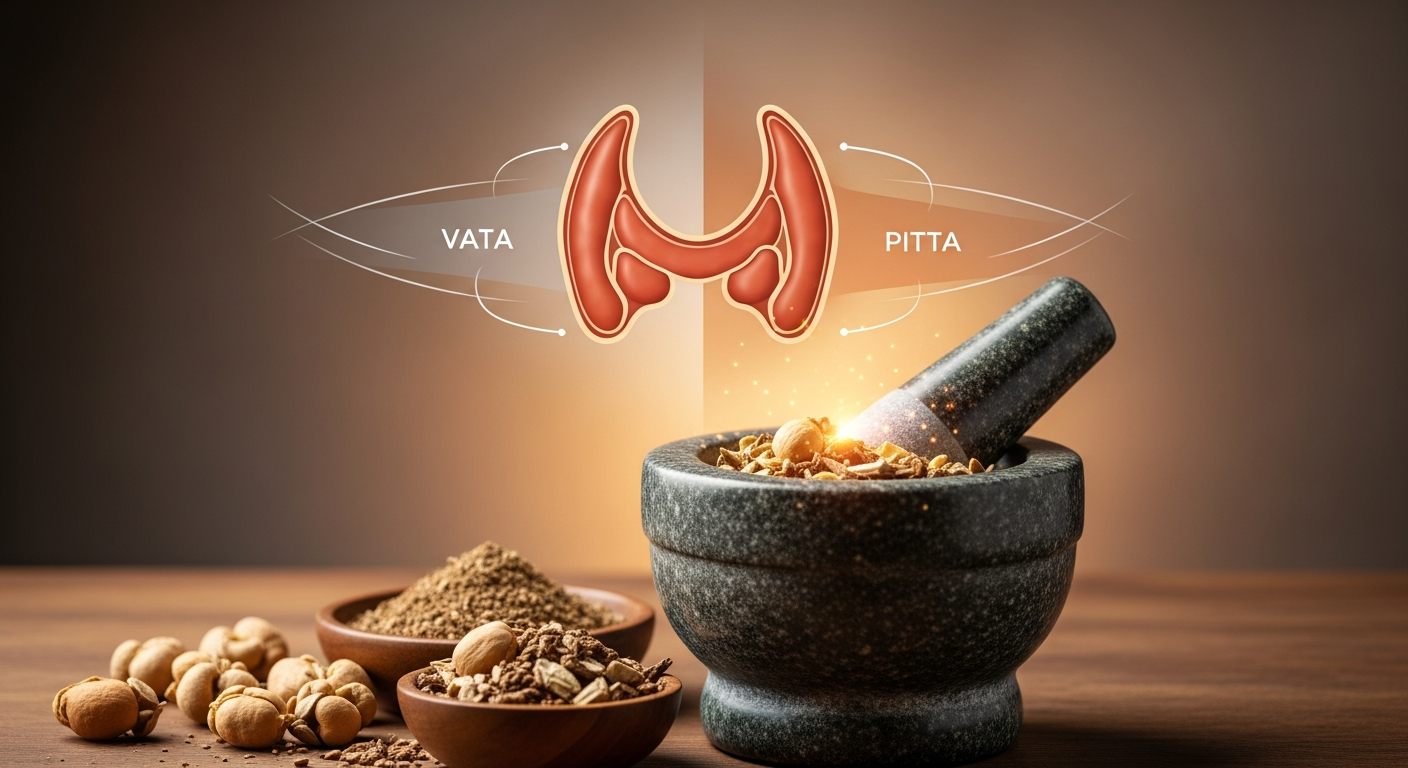
In Ayurveda, Addison's disease is understood as a complex interplay of dosha imbalances, primarily involving Vata and Pitta. Vata imbalance can manifest as fatigue and a lack of energy, while Pitta disruption may contribute to symptoms like skin hyperpigmentation. The core issue is often seen as a depletion of Ojas, the vital essence that forms the basis of immunity and vitality. This depletion, coupled with weakened Agni (digestive fire), can lead to the accumulation of Ama (toxins) that negatively impact adrenal function.
From an Ayurvedic standpoint, the causes of Addison's disease are rooted in factors that aggravate Vata and Pitta doshas, such as excessive stress, irregular sleep patterns, and a diet that increases Vata. These imbalances can lead to Dhatu Kshaya, or tissue depletion, affecting vital tissues like plasma, blood, and muscle, resulting in profound fatigue and weakness.
Key Ayurvedic Herbs for Adrenal Support
Ayurveda utilizes a rich pharmacopeia of herbs to support adrenal health and manage conditions like Addison's disease. These herbs are often adaptogenic, meaning they help the body adapt to stress and build resilience.
- Ashwagandha (Withania somnifera): Perhaps the most well-known Ayurvedic adaptogen, Ashwagandha is highly regarded for its ability to help the body manage stress and reduce cortisol levels. It's traditionally used to restore strength and vitality, making it a cornerstone in supporting adrenal function.
- Shatavari (Asparagus racemosus): Particularly beneficial for women, Shatavari is known for its rejuvenating properties and its role in balancing hormones and maintaining resilience during stress.
- Licorice Root (Glycyrrhiza glabra): Traditionally used to nourish the adrenals, licorice root may help support adrenal gland function by improving hormone production.
- Tulsi (Holy Basil): Revered as a sacred adaptogenic herb, Tulsi is known for its stress-reducing properties and its ability to support normal cortisol balance, positively impacting emotional well-being and sleep.
- Brahmi (Bacopa): This herb is recognized for its calming effects on the nervous system and its potential to support memory and cognitive function, especially under stress.
It's important to note that while these herbs are beneficial, their use should ideally be guided by an Ayurvedic practitioner, especially when managing a chronic condition like Addison's disease and when on conventional medication.
Lifestyle and Dietary Adjustments in Ayurveda
Beyond herbal remedies, Ayurveda emphasizes the profound impact of lifestyle and diet on adrenal health. The goal is to pacify Vata and Pitta doshas, strengthen Agni, and detoxify the body.
- Diet: A warm, grounding, and nutrient-dense diet is recommended. This includes whole grains, fresh fruits and vegetables, and healthy fats. Foods rich in B-vitamins and vitamin C are particularly beneficial. For individuals with low aldosterone levels, a diet rich in sodium and low in potassium is often advised in modern medicine. Warm water and herbal teas are encouraged for hydration. Avoiding stimulants like excessive caffeine and processed foods is crucial, as they can further deplete adrenal reserves.
- Routine: Establishing a regular daily routine (Dinacharya) is vital. This includes prioritizing adequate sleep and engaging in mild, consistent exercise like yoga and Pranayama (breathing exercises). Practices like Abhyanga (self-oil massage) with warm sesame oil can help calm the nervous system and balance Vata.
- Stress Management: Techniques such as Nadi Shodhana (alternate nostril breathing) are highly effective in reducing stress and balancing the nervous system.
Integrating Ayurveda with Conventional Care
Ayurveda offers a complementary approach to conventional medical treatments for Addison's disease. While hormone replacement therapy remains the cornerstone of conventional management, Ayurvedic principles can support overall well-being, reduce stress, and enhance vitality. It is crucial to consult with both your endocrinologist and a qualified Ayurvedic practitioner to ensure that any Ayurvedic interventions are safe and do not interfere with your current medical treatment.
For more information on Addison's disease and its management, you can refer to resources like Ayurveda.ai.
By embracing a holistic approach that combines Ayurvedic wisdom with modern medical care, individuals with Addison's disease can work towards restoring balance, enhancing their quality of life, and supporting their body's natural resilience.