

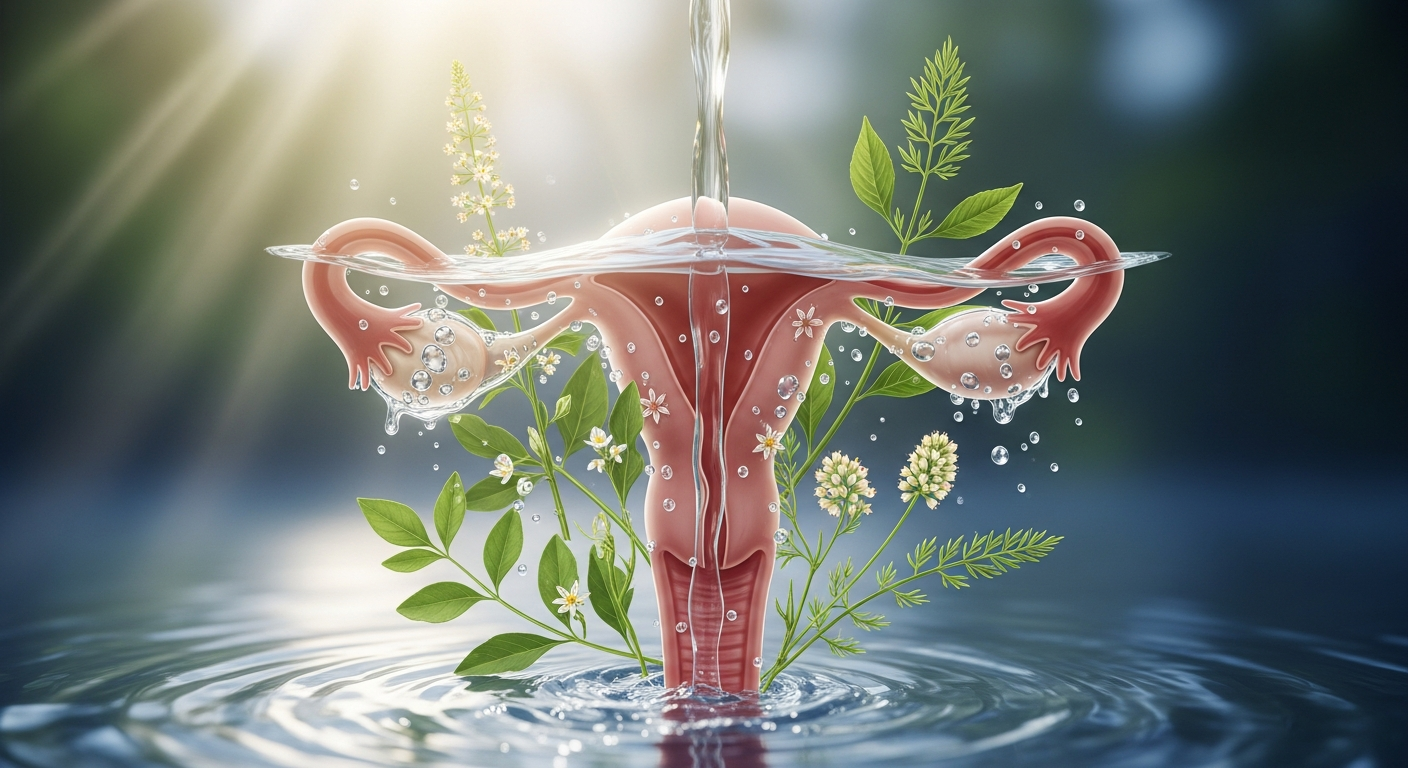
Adenomyosis is a gynecological condition that affects many women, causing significant discomfort and disruption to their daily lives. It occurs when the tissue that normally lines the uterus, the endometrium, begins to grow into the muscular wall of the uterus, known as the myometrium. This invasion can lead to an enlarged uterus, painful periods, heavy menstrual bleeding, and sometimes even infertility. While conventional medicine offers treatments like hormonal therapy and surgery, many are seeking more holistic and natural approaches to manage this condition.
Ayurveda, the ancient Indian system of medicine, offers a comprehensive and individualized approach to women's health, including the management of adenomyosis. It views the body as an interconnected system of mind, body, and spirit, aiming to restore balance and promote natural healing.
Understanding Adenomyosis Through an Ayurvedic Lens
In Ayurveda, adenomyosis is often understood as an imbalance in the body's fundamental energies, or doshas, particularly Vata and Pitta, affecting the blood (rakta) and muscle (mamsa) tissues. Factors like the accumulation of toxins (ama) due to poor digestion, Vata imbalance leading to pain and irregular cycles, and Pitta imbalance contributing to inflammation and heavy bleeding are considered key contributors. The goal of Ayurvedic treatment is to address these root causes, rather than just managing symptoms.
Key Ayurvedic Strategies for Adenomyosis Management
Ayurvedic management of adenomyosis is multifaceted, incorporating herbal remedies, dietary adjustments, lifestyle modifications, and detoxification therapies.
1. Herbal Formulations: Nature's Uterine Support
Several potent Ayurvedic herbs are renowned for their efficacy in addressing gynecological concerns, including adenomyosis:
- Ashoka (Saraca asoca): Often referred to as the "friend of women," Ashoka is a cornerstone herb for female reproductive health. It is known for its ability to regulate menstrual cycles, reduce excessive bleeding, and alleviate uterine pain. Studies suggest its active compounds possess anti-inflammatory and analgesic properties.
- Shatavari (Asparagus racemosus): This adaptogenic herb is highly valued for its rejuvenating properties and its ability to balance hormones. Shatavari supports the reproductive system, helps reduce inflammation, and can soothe the digestive tract. Its phytoestrogenic activity is believed to aid in balancing estrogen and progesterone levels.
- Lodhra (Symplocos racemosa): Lodhra is recognized for its astringent properties, which can be beneficial in managing uterine conditions and toning the uterus.
- Guggul (Commiphora mukul): Known for its anti-inflammatory and analgesic properties, Guggul can help manage the symptoms associated with adenomyosis.
- Turmeric (Curcuma longa): With its powerful anti-inflammatory and antioxidant properties, turmeric is beneficial in reducing pelvic pain and inflammation.
- Kanchnar (Bauhinia variegata): Often used in combination with Guggul, Kanchnar is believed to help manage hormonal imbalances and reduce the size of uterine growths.
- Triphala: This blend of three fruits (Amalaki, Bibhitaki, and Haritaki) is known for its detoxifying and antioxidant properties, aiding in digestion and potentially improving hormonal regulation.
These herbs are often prescribed in personalized formulations by qualified Ayurvedic practitioners to address an individual's unique constitution and imbalances.
2. Dietary Adjustments: Nourishing the Uterus
Ayurveda emphasizes the role of diet in maintaining health. For adenomyosis, an anti-inflammatory diet is recommended, focusing on:
- Warm, cooked foods: These are easier to digest and help support the digestive fire (agni), reducing the accumulation of toxins (ama).
- Leafy greens, nuts, and seeds: These provide essential nutrients and possess anti-inflammatory properties.
- Spices like turmeric and ginger: Known for their healing properties.
Conversely, it's advised to avoid cold, processed foods, excessive sugar, refined carbohydrates, and fried items, as these can aggravate Vata and Pitta doshas and contribute to inflammation.
3. Lifestyle Modifications: Cultivating Balance
Beyond diet and herbs, lifestyle plays a crucial role:
- Yoga and Meditation: Regular practice can help manage stress, improve circulation to the pelvic region, and enhance the body's natural healing capacity. Specific poses like Angle Pose can help open the pelvic region and relieve discomfort.
- Stress Management: Chronic stress can exacerbate adenomyosis symptoms. Techniques like Nadi Shodhana (Alternate Nostril Breathing) can help calm the mind and balance doshas.
- Adequate Rest: Ensuring sufficient sleep is vital for the body's repair and rejuvenation processes.
4. Detoxification Therapies (Panchakarma)
For deeper cleansing and restoration of balance, Ayurvedic practitioners may recommend Panchakarma therapies. These detoxification processes aim to eliminate toxins that contribute to imbalances and inflammation. Procedures like:
- Basti (medicated enema): Particularly helpful in balancing Vata dosha and cleansing the pelvic region.
- Virechana (purification): Helps eliminate Pitta-associated toxins.
- Uttara Basti (medicated enema through the vaginal route): Specifically targets the reproductive organs to reduce inflammation and control bleeding.
These therapies are highly individualized and should only be administered under the guidance of a qualified Ayurvedic practitioner.
Scientific Support and Future Directions
While Ayurveda has a long history of traditional use, modern research is beginning to explore its efficacy. Studies have indicated potential benefits of herbs like Ashoka and Shatavari in managing menstrual disorders and hormonal imbalances. Case reports also highlight the positive outcomes of Ayurvedic treatment protocols, including the reduction of adenomyotic tissue and symptom relief.
However, more large-scale, rigorous clinical trials are needed to conclusively validate the effectiveness and safety of Ayurvedic interventions for adenomyosis. The approach often involves a combination of therapies tailored to the individual, making standardized research challenging.
Integrating Ayurveda with Modern Medicine
Ayurvedic medicine can serve as a complementary approach to conventional treatments for adenomyosis. It can help manage symptoms, reduce side effects of other treatments, and improve overall well-being. However, it is crucial to consult with both Ayurvedic practitioners and conventional medical doctors to ensure a safe and comprehensive healthcare plan. Ayurveda should not replace standard medical care, especially in acute or severe conditions.
Learn More
For more detailed information on adenomyosis and its Ayurvedic perspective, you can visit Ayurveda.ai's page on Adenomyosis.
Conclusion
Ayurveda offers a holistic, individualized, and natural pathway for managing adenomyosis. By addressing the root causes of imbalance through personalized herbal treatments, dietary wisdom, lifestyle adjustments, and detoxification therapies, it aims to restore uterine health and improve the quality of life for women affected by this condition. Consulting with a qualified Ayurvedic practitioner is the first step towards creating a tailored plan for your unique needs and embarking on a journey towards holistic well-being.